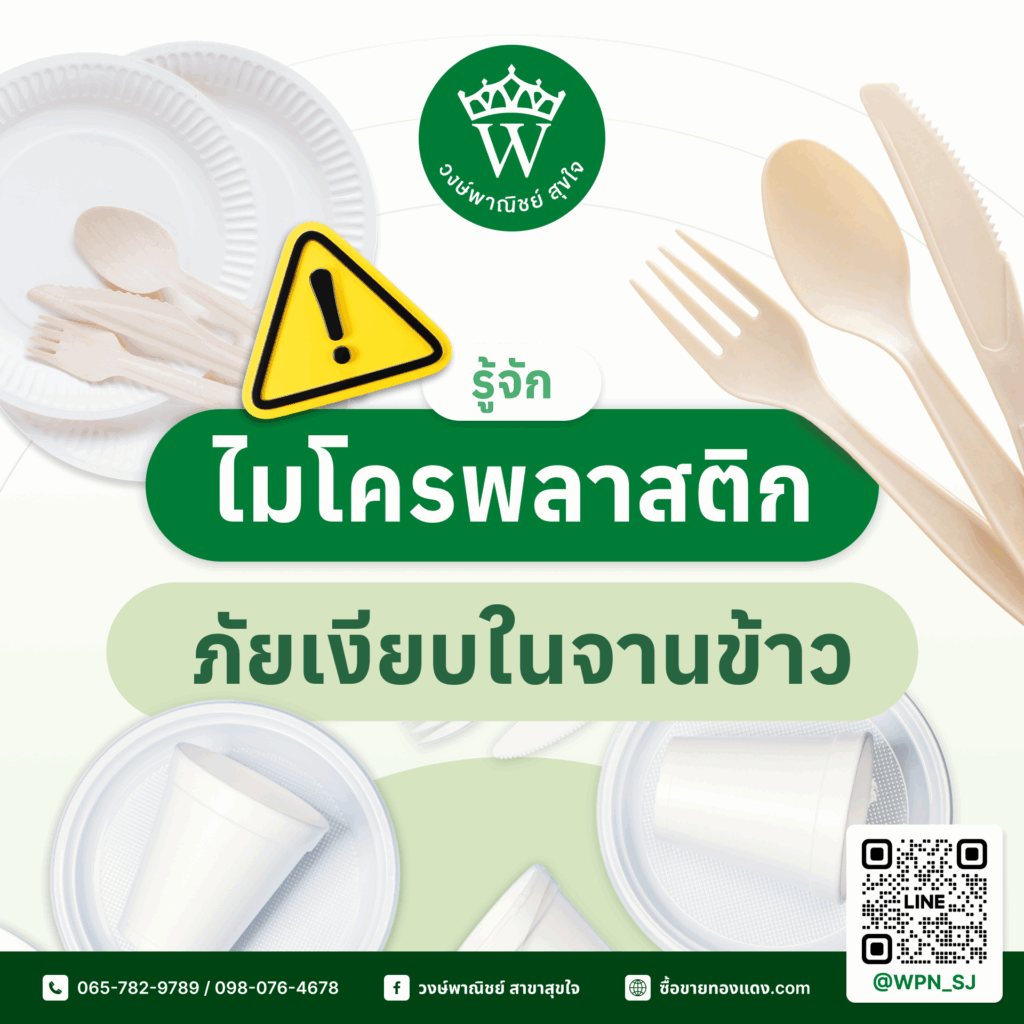
Have you ever thought that your meal might contain plastic?Microplastics — tiny plastic particles smaller than 5 millimeters — can enter our bodies without us even knowing. But where do they come from? And how do they affect our health?
How Do Microplastics Enter Our Food?
🐟 Seafood and Marine Animals
Marine animals like shrimp, shellfish, crabs, and fish consume microplastics from ocean waste, which then accumulates in their tissues. When we eat seafood, we may also ingest these microplastics.
🍶 Sea Salt
Microplastics in the ocean can contaminate the sea salt production process, which is a common ingredient in our daily meals.
🥤 Food Packaging and Plastic Containers
Worn or deteriorated plastic containers can release microplastics into the food they hold.
Health Impacts of Microplastics
🔴 Digestive System
They can cause inflammation in the intestinal lining and disrupt nutrient absorption.
🟠 Bloodstream and Internal Organs
Microplastics may induce cellular stress and accumulate in organs like the liver and kidneys.
🟡 Reproductive System and Hormones
Chemicals from microplastics, such as BPA, can interfere with the body’s hormonal balance and increase the risk of infertility.
Plastic bottles and bags that are discarded without being recycled can break down into microplastics — eventually coming back to harm our health.
If you want to turn waste into value, we recommend Wongpanit Sookjai, a professional in comprehensive recycling solutions, ready to serve you with expertise. ♻️
♻️ Line ID: @wpn_sjj
📞 Tel: 065-782-9789 / 098-076-4678
🟢 Website : https://www.sahamitgroup.com/